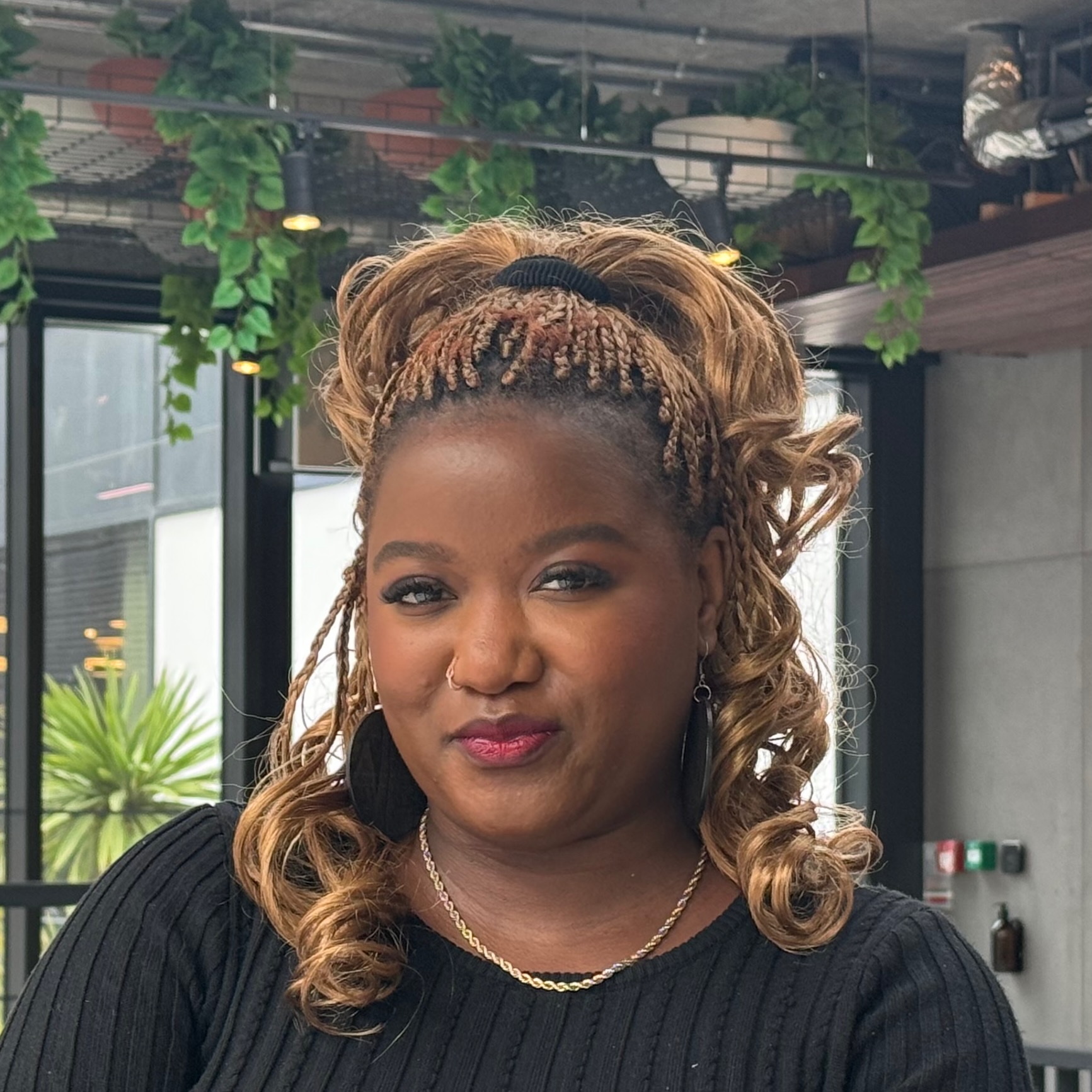
An OVID Health article by Shamilah Nyiramukwaya
“We are people and we are partners.”
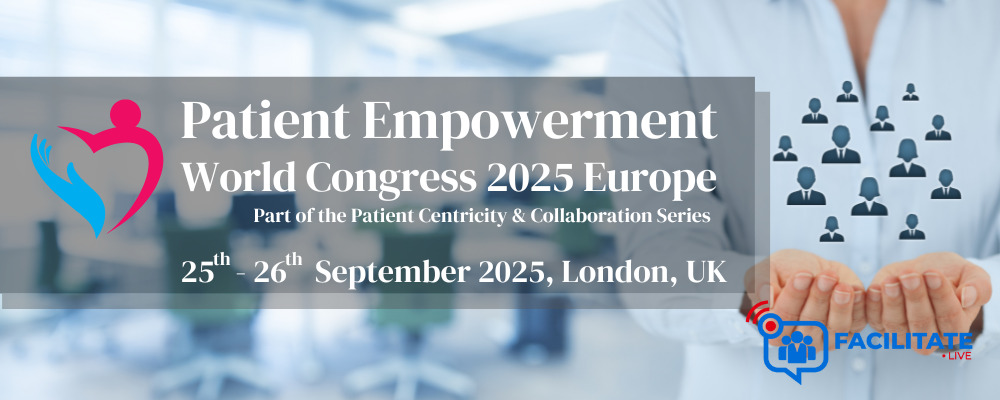
This powerful statement, shared at the Patient Empowerment World Congress 2025, captured the shift many of us have been waiting for: moving beyond the language of “patient centricity” toward genuine empowerment.
For two days, pharma leaders, regulators, clinicians, advocates, and digital innovators came together around one urgent question: What does it really mean to empower patients, and are we doing it? The answer is systemic, urgent, and long overdue.
Rethinking Empowerment
“Is patient centricity leading to empowerment, or just another tick-box?”
That provocation set the tone. The distinction became clear:
- Centricity is often passive, a posture rather than a practice.
- Engagement is more active, but limited to those already equipped to participate.
- Empowerment is something more profound: equal partnership, where people have the tools, resources, and power to shape decisions.
True empowerment recognises lived experience as expertise, not a “nice to have,” but insight no one else can provide.
AI as a Leveller of Power
AI has emerged as one of the most significant opportunities for empowerment, provided we design it correctly. From Sanford Hospital’s real-time treatment and clinical guideline matching tool to digital platforms reaching people in rural areas with diabetes, technology showed how it can bridge gaps in access and knowledge.
But urgent questions remain:
- Who is being left behind by language barriers, digital literacy, or impenetrable systems?
- Are we amplifying patient voices or replacing them?
- Whose data is shaping these tools?
Only when built with people living with the condition, not just for them, can AI become a true equaliser of power and knowledge.
Language as a Structural Barrier
“The way jargon and information are presented does not allow empowerment.” — Steve Clark, Strive for Five and Beyond.
Language itself is a barrier to empowerment. It shows up in:
- Clinical trial protocols that exclude the very people they’re designed for.
- Medical education that perpetuates inaccessible jargon.
- Healthcare systems where patients act as translators between their GP, specialist, and trial coordinator.
The call to action was clear:
- Embed plain language into clinical practice and CME training.
- Teach professionals accessible communication.
- Standardise communication so patients aren’t navigating multiple “languages.”
And beyond vocabulary lies humanity: “Use names. Validate feelings. Explain, don’t just inform.”
Redefining Access
“Worse than no treatment is having one you cannot access.”
This sobering truth reframed how we think about access.
- Geography: Postcodes still decide trial participation. Human-centred, experiential trial design could change that.
- Information: Access requires clear, usable communication across every touchpoint.
- Experience: Behind dropout numbers are people. When trials are designed around the human experience, recruitment and retention improve.
- Regulation: The MHRA’s Lawrence Tallon discussed a broader “preference zone,” considering context, psychology, and social reality, not just rigid safety and efficacy.
This mindset shift brings regulation closer to patients and builds equity into the system itself.
Building the Table Together
Patient empowerment means building the table with patients, not just offering a seat at one already made. Examples from the congress showed what this looks like:
- Patient-Reported Outcomes shifting endpoints from physiology to quality of life.
- Capacity-building workshops enabling patient groups to influence HTA processes.
- Cross-functional embedding of patient insights beyond advocacy teams.
- Skills-sharing where industry contributes expertise and resources, not just funding.
Real transformation requires breaking silos, embedding patient expertise into training and policy, and widening, not narrowing, the circle of involvement.
Measuring What Matters
How do we know empowerment is real? New approaches are emerging:
- Scenario-based guidance: Can patients apply information in real life?
- Behavioural science: Understanding the psychology of empowerment.
- Engagement metrics: Are we reaching beyond the usual voices?
At OVID Health, our PACT tool helps organisations assess, track, and benchmark patient empowerment across six themes: engagement, co-creation, transparency, empowerment, innovation, and impact – creating a PACe Score to highlight progress and gaps. Because what gets measured gets prioritised.
DEI as a Scientific Imperative
Representation isn’t just about equity; it’s about safety. When trials don’t reflect diverse populations, treatments may not work equally well for everyone. Key principles stood out:
- Inclusivity must be designed in from the start.
- Accessibility and connection are non-negotiable.
- Intersectionality matters. Overlapping identities shape health.
- Representative data must be embedded in research, not treated as an afterthought.
Diversity in science is not optional. It’s essential.
The Power of Being in the Room
There’s something deeply energising about being in a room full of people who aren’t just talking about change, but actively building it. From regulators to advocates, pharma leaders to digital innovators, every voice carried a shared commitment: to empower people to change their health outcomes. It can feel isolating to push against immovable systems, fragmented pathways, rigid protocols, and inaccessible language. But being in that room was a reminder: we are not alone.
Perhaps most powerful was witnessing patient advocacy groups that started with one parent at a kitchen table, go on to change entire systems. Transformation doesn’t always start with scale. It starts with showing up.
A Call to Action
So let’s keep showing up. Let’s keep building the table together. Let’s continue to ask tough questions and share authentic stories. Because when we are in the room together, we are not just imagining a better system, we are co-creating it. And that work has never been more urgent.
👉 What action are you taking to move from patient centricity to genuine empowerment?
Article originally published on LinkedIn on 30th September
Image credit: https://www.paradigmglobalevents.com/events/patient-empowerment-world-congress-2025-europe/