An OVID Health article by Sophie Feary
Thoughts from my time in Basel at health.tech | global summit
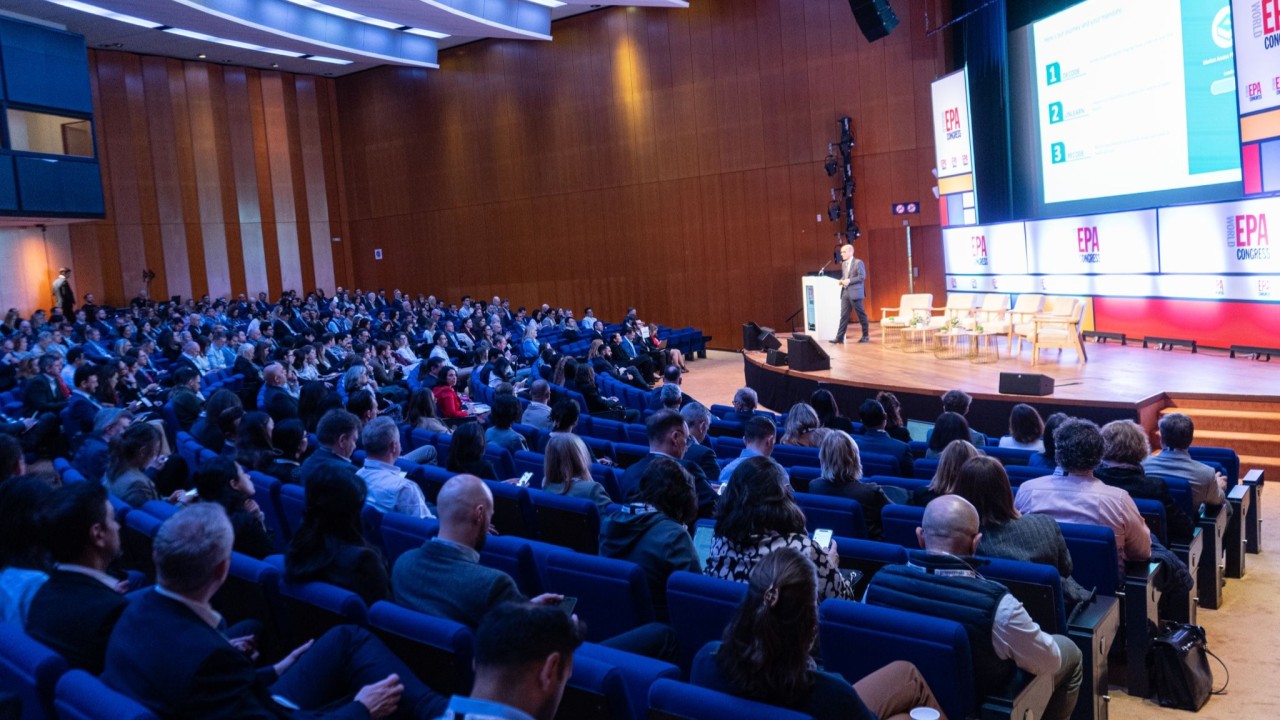
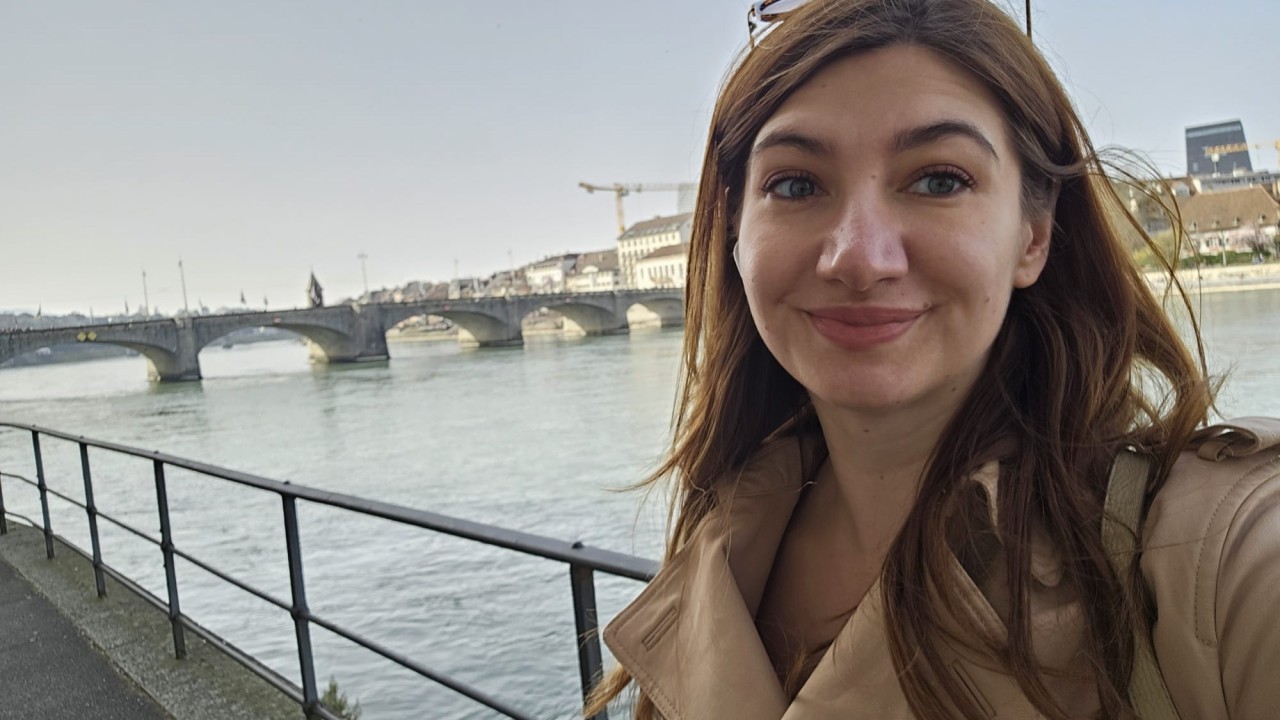
When people think of Basel, they picture pharma giants and I don’t blame them. From my hotel window, the Roche tower dominates the skyline, and the Novartis campus defines one side of the city. But for a few days this week, something else took centre stage: health tech.
After three days immersed in conversations, panels, and workshops, here are the reflections that have stayed with me.
1. Innovation Is Everywhere, But Adoption Still Isn’t
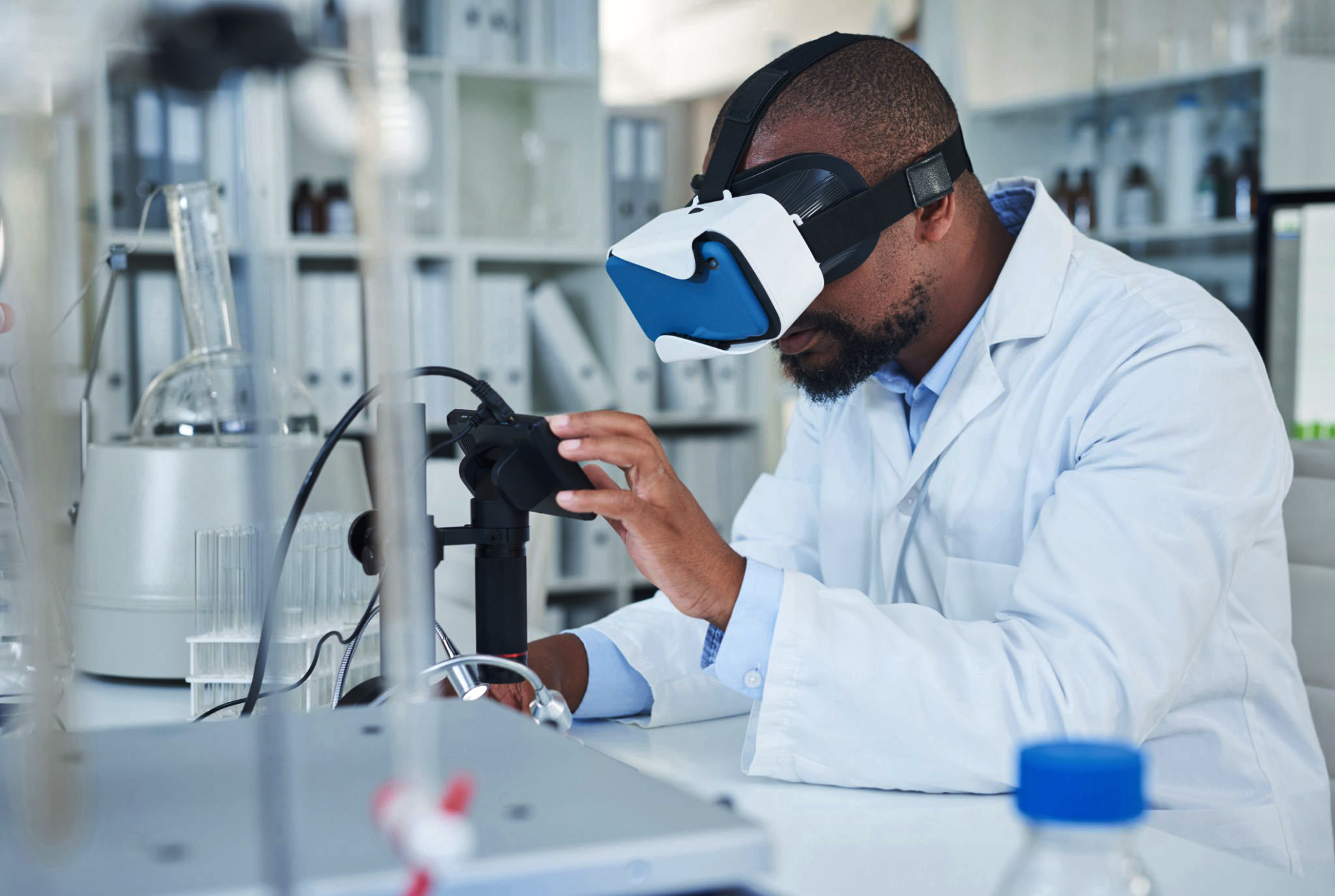
The sheer range of innovation on display was genuinely exciting. There’s no shortage of ideas that could reshape how we detect, treat, prevent and keep people in good health. But one thing kept running through my head – how will they get this to market?
Unless these technologies are taken on, and scaled, by major players, barriers to market access remain stubbornly high. Speaking from my experience working in the UK, this feels especially true and a sad reality we seem to be unable to address.
2. GLP‑1 Has Redefined the Pace of Change
If there was one recurring example used on panels, it was GLP‑1. It came up again and again as the industry’s collective wake‑up call: a reminder of just how quickly a market can change overnight when the right conditions, demand, and innovation collide. It’s rare to see a single class of medicines shift thinking across so many parts of healthcare so fast.
3. AI: A Buzzword or the Untapped Opportunity?
AI was, unsurprisingly, the headline act. But what struck me most was the consensus that we’re still not using it to its full potential. Amal Clooney spoke about her use of AI and how it was bringing legal advice to those most at need across the world. Many headline sessions focused on the need to use AI to continuously test hypotheses, uncover new indications, and accelerate early‑stage R&D. For many, it feels like we’re only scratching the surface. It might sound provocative to suggest that AI won’t transform healthcare, but the mood in the room was genuinely mixed, while some were eager to embrace it, others were far more hesitant.
4. We Still Don’t Include Patients Early Enough
One theme kept surfacing in conversations, sometimes explicitly, sometimes between the lines: patients are still not being involved early enough in the development of the very technologies meant to serve them.
Across exhibitions and panels, it was clear that teams are innovating for patients, but not always with them. And that absence shows. Whether it’s usability challenges, missing features, or solutions that solve the wrong problem entirely, the lack of early patient input becomes painfully evident further down the development pipeline and frankly makes useless to the user.
What struck me is how often patient involvement is treated as a “validation step” rather than a design principle, this is a common issue we face in pharma but for all my ignorance, I never really thought of it as being a medtech problem too.
5. The Session That Stuck with Me: Endometriosis
The standout session for me was the workshop on endometriosis, a rare space where diagnostic experts, therapeutic innovators, and patients shared the stage, and the passion in the room was breathtaking. I have a whole album of photos of which I’ll happily upload slide after slide outlining the challenges at every stage – from identifying symptoms, to achieving diagnosis, to getting treatments to market.
For example, I was genuinely blown away to learn that because only around 1.5% of mammals menstruate, researchers have extremely limited models to study, meaning we’re still missing critical molecular data that could explain why so many therapies fail to make it past Phase 2.
However, my biggest takeaway was something simple.
Endometriosis is not one condition – so let’s stop referring to it as one.
Just as we treat cancer as an umbrella term for many diseases requiring different pathways, the same should apply here.
With my policy hat on…
The panel made a compelling economic case for improving diagnosis and care. But having spent years in life sciences policy, I know how difficult it is to get economic arguments to land with Governments. So, it made me wonder: Could the stronger policy lever be fertility?With declining population rates becoming a major concern for many Governments, the link between untreated endometriosis and fertility challenges could become a much more powerful driver for investment and action.
Good thing I am going to the WHH Women’s Health Horizons next Tuesday – I think I will come with a lot to discuss.
Final Thoughts
Basel may forever be associated with its pharma heritage, but this week showed how rapidly health tech is carving out its own identity. There’s momentum, creativity, and a genuine push to solve longstanding challenges. The question now is how we translate that energy into uptake, access, and real-world impact.
Article originally published on LinkedIn on 5th March 2026