
An OVID Health article by Sophie Feary
Welcome to Day Two of a Burnham premiership, where we got our first announcement on VAT on electricity bills at 6:20am before I’d even finished my morning coffee. Whilst yesterday felt slow, with the full Cabinet not being announced until 10pm, this morning it is apparent that he is keen the hit the ground running.
The departure of figures such as David Lammy, Peter Kyle and Rachel Reeves will come as little surprise to Westminster observers. The bigger surprise is that Reeves reportedly turned down an offer of a senior Cabinet role (rumoured to be Defence). The Starmerite purge, impressively, extended late into the evening with few leaks.
The appointment of John Healey as Chancellor is a politically savvy move. Far less fractious than Ed Miliband and Shabanna Mahmood, Healey is well regarded across the Labour party spectrum. While some have questioned his ability to stay on top of the numbers during his time in Defence, others have praised the appointment. One thing is for certain; this is a big win for the Defence Plan.
The changes to the Cabinet are vast, with 15 new additions to the Cabinet and 12 from Starmer’s previous Cabinet, of which 7 are staying in post and 5 are getting new jobs. The creation of dedicated AI, Housing and Intergovernmental Relations ministers reflects several of Burnham’s long-standing priorities: regional devolution; public service reform; and harnessing technology to improve productivity and support, not replace, workforce. Meanwhile, returning Jonathan Reynolds to Business and Trade suggests a renewed emphasis on strengthening Labour’s relationships with business after a period in which the party’s economic agenda often appeared overshadowed by wider political debates.
What About Health?
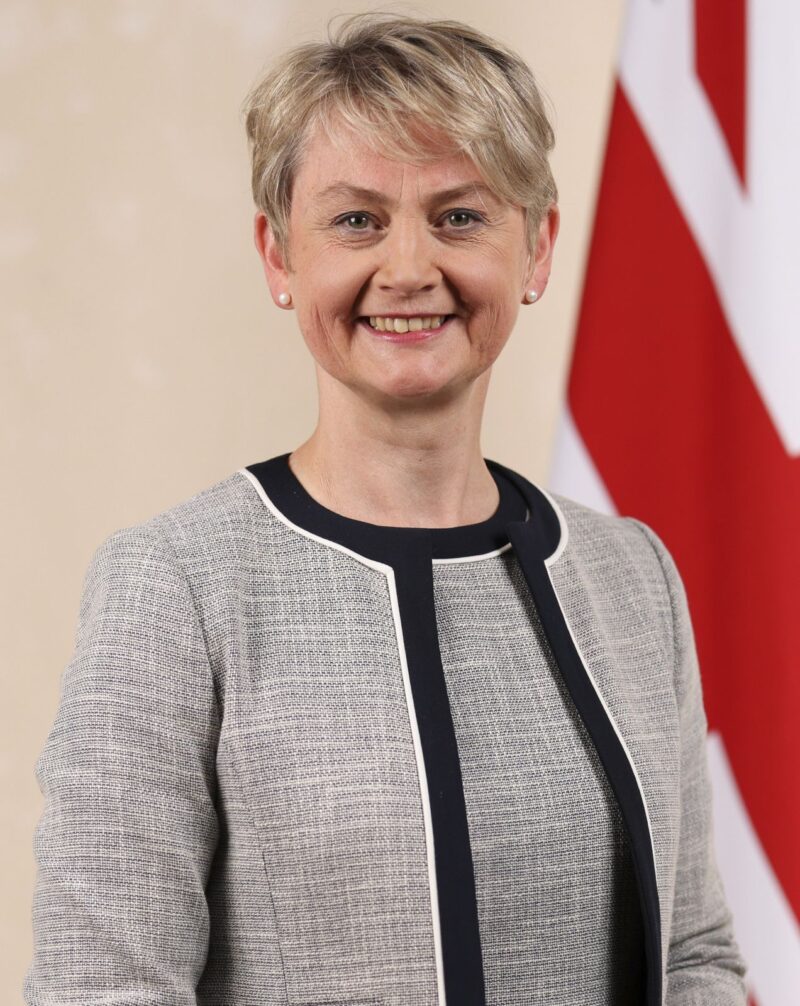
Of all Burnham’s appointments, Yvette Cooper’s move to the Department of Health and Social Care was arguably the most unexpected. While Cooper began her ministerial career in the Health Department under Tony Blair and played a role in implementing Sure Start, healthcare has not been a defining feature of her political profile for many years.
That relative lack of a track record extends to life sciences and industry. In a 2025 speech on the Global Fund, Cooper highlighted the role of business and pharmaceutical innovation in expanding access to care and reducing healthcare costs, praising the contributions of ViiV Healthcare and GSK in tackling HIV, malaria and tuberculosis. While only a limited indicator of her thinking, it suggests a potential pragmatic view of industry as a partner in delivering health outcomes rather than simply a sector to regulate.
Politically, however, her appointment is not without question. Critics, particularly on the right, have often portrayed Cooper as more of an administrator than a reformer, citing her lack of successes in challenging departments such as the Home Office. As a result, health could quickly become a key battleground for Kemi Badenoch and her shadow team, who may view an unfamiliar Health Secretary as a potential vulnerability for the new government.
However, focusing solely on Cooper risks missing a more fundamental point: the scope for any incoming Health Secretary to radically reshape policy is relatively limited. Unlike some departments, Health is entering a period where many of the major strategic decisions have already been made.
The Government’s Health Bill is progressing through Parliament, the NHS 10 Year Plan has established a clear direction of travel, and longstanding challenges around workforce capacity, productivity and NHS finances remain unresolved. Together, these factors place significant constraints on the extent to which any new Secretary of State can pursue a wholly new agenda. Instead, the agenda needs to focus on implementation.
Her decision to immediately highlight social care and maternity services is notable but not surprising. Both areas have attracted sustained public concern, significant media attention and cross-party pressure for reform. By focusing on these politically resonant issues, Cooper may be recognising that the Government’s biggest vulnerability is not NHS reform itself but the wider health and care ecosystem, one which Burnham shares.
A More Local NHS?
Burnham’s own political history could provide insight into the selection. Both Burnham and Cooper have previously argued for greater local influence over healthcare decision making. Burnham’s experience in Greater Manchester has reinforced his belief in devolved health leadership and integrated services. Cooper has similarly spoken in the past about strengthening local control over the NHS… albeit over a decade ago.
This creates an interesting tension with the current legislative agenda, which is focused on concentrating power within Whitehall and enhancing the role of the Health Secretary. If Burnham remains committed to his devolution agenda, there may eventually be pressure to revisit aspects of this centralising approach in practice.
One early test could be the future of Healthwatch. Proposals to abolish the organisation already faced criticism and Burnham has previously warned against losing an independent patient voice within the system. A reconsideration of these plans would provide an early indication that the new administration is seeking to differentiate itself from its predecessor.
Social Care and The Politics of Assisted Dying
Another area to watch is assisted dying and whether the Bill will receive Government backing. Cooper has been a prominent supporter of legislative change, while Burnham’s position has evolved over time. Previously more cautious, Burnham has recently indicated he would likely support reform, albeit with significant safeguards and improvements to palliative and end of life care. Whilst unlikely to dominate the Government’s immediate agenda, it may bring momentum to the Burnham ambition of social care reform.
Yet this is also where many health secretaries have come unstuck. Successive governments have acknowledged the need for reform, often describing social care as one of the country’s most pressing policy challenges. Almost all have discovered that the political and financial obstacles are considerably greater than anticipated… remember the dementia tax?
Burnham understands this challenge better than most. His criticism of successive governments for neglecting social care resonates with both professionals and patients. However, history suggests that recognising the problem is far easier than solving it.
The real question is not whether social care becomes a priority of the Burnham government. The question is whether this administration is prepared to commit the political capital and resources required to achieve meaningful reform.
If it is, social care could become the defining domestic policy achievement of a Burnham premiership. If not, it risks becoming another example of an issue that every government promises to fix, and ultimately fails.
Article originally published on LinkedIn on 21st July
Image credit: https://yvettecooper.com/about-yvette/